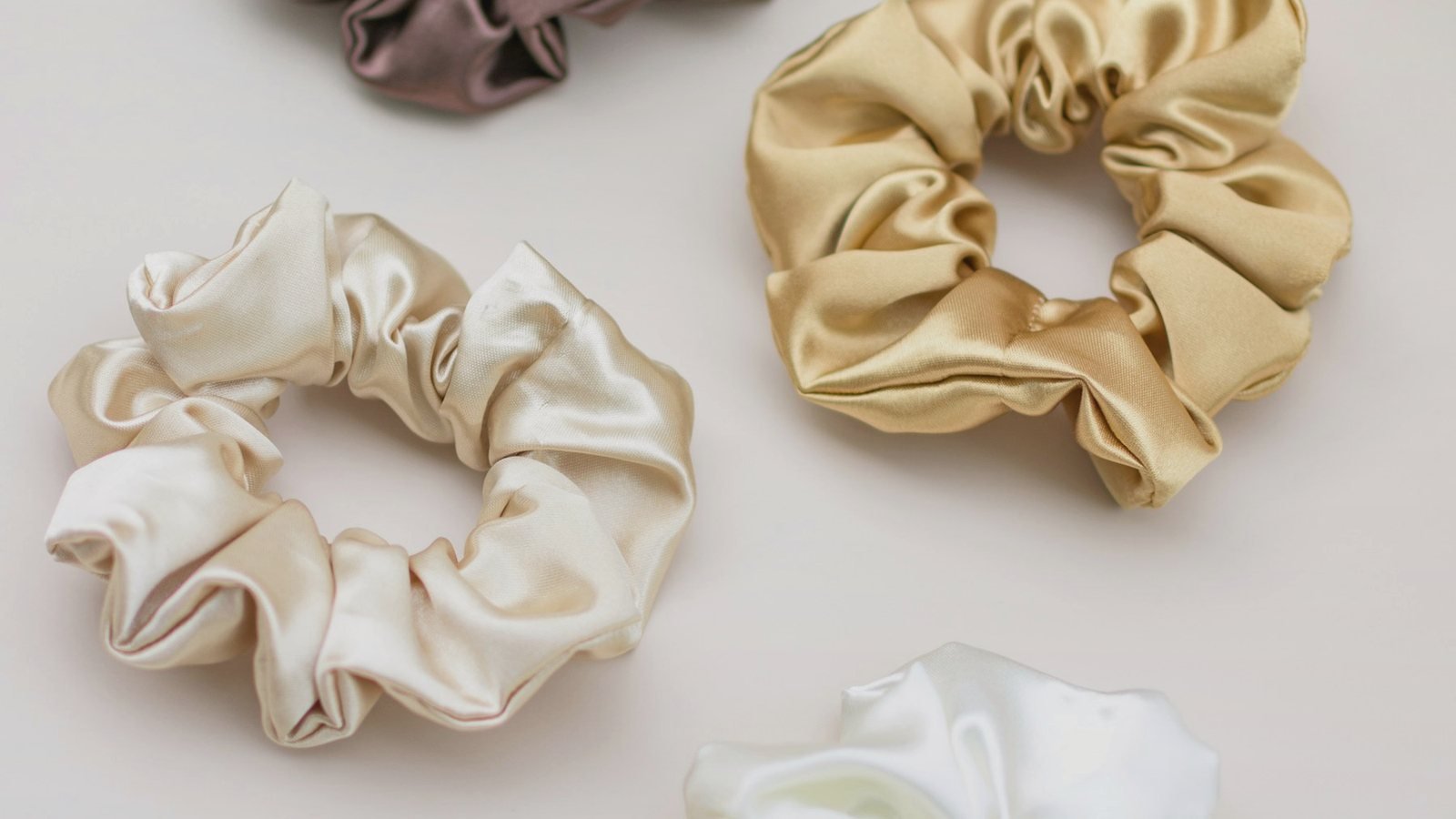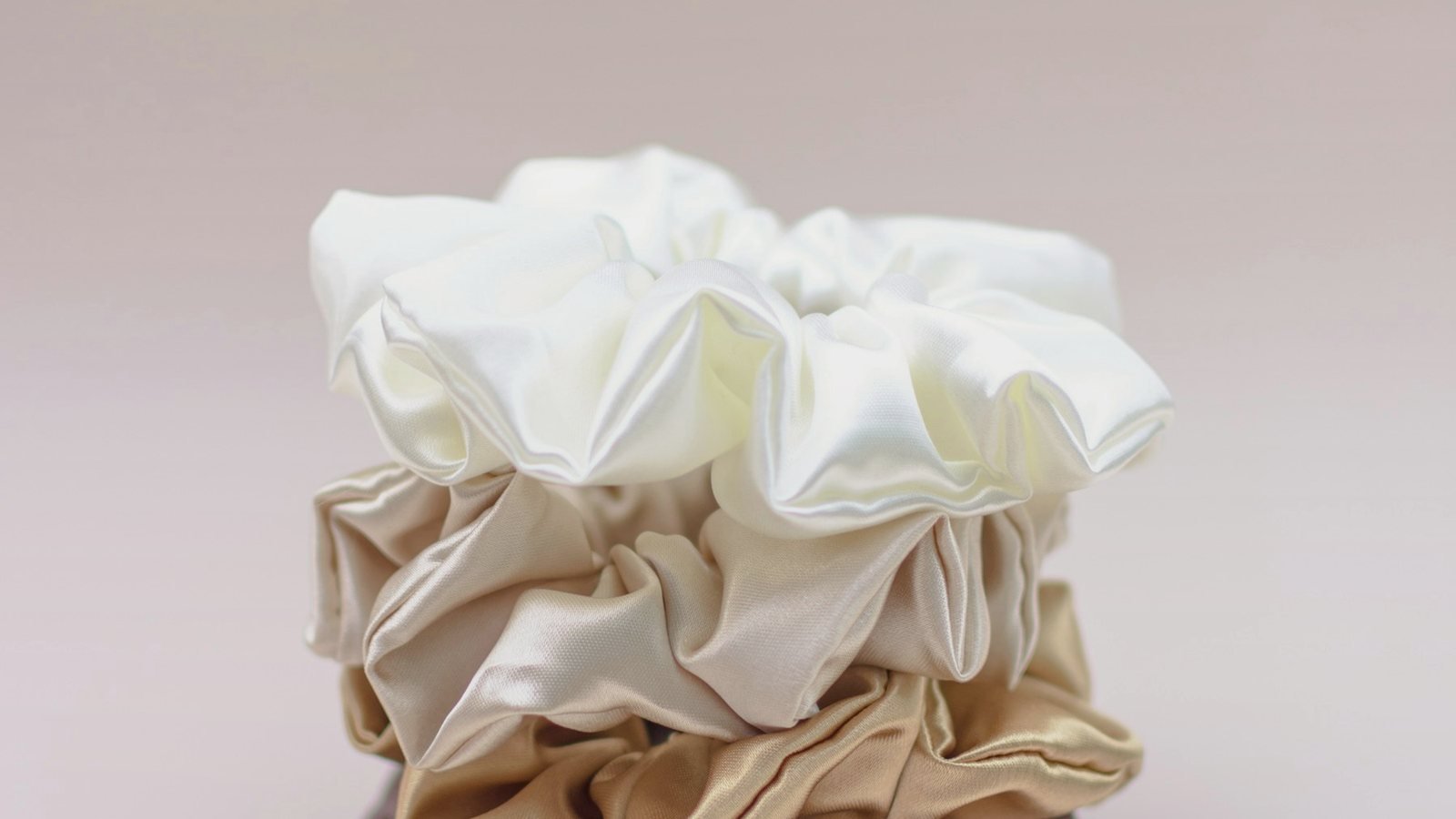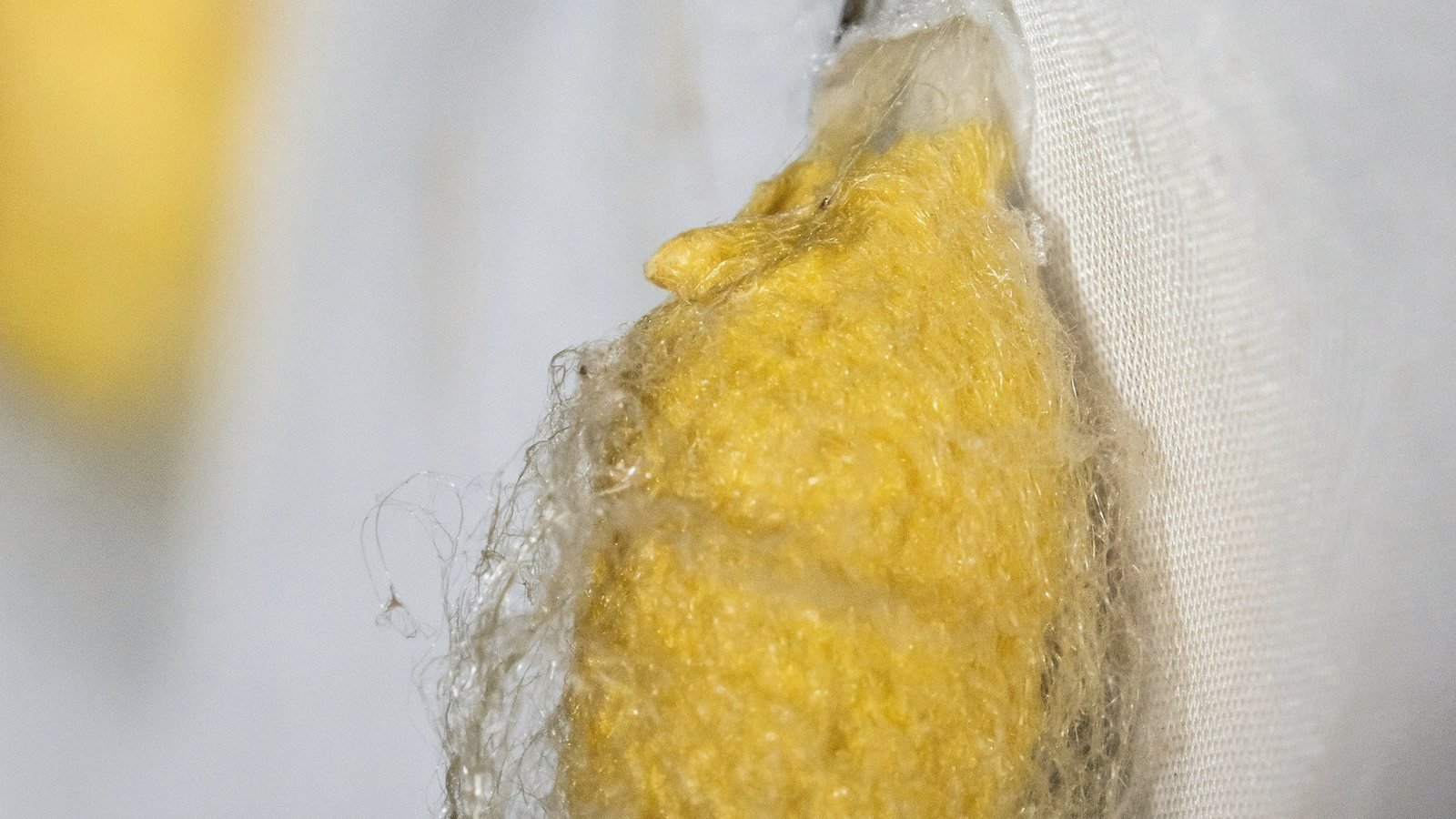
We named Chrysalico after the chrysalis, the stage where a caterpillar wraps itself up and waits to change. For the silkworm, that wrapping is a cocoon made from one continuous thread of silk. Everything we make starts there.
The silkworm and the mulberry tree
Mulberry silk comes from the domesticated silkworm, Bombyx mori, which feeds only on the leaves of the mulberry tree. That steady diet is a big part of why mulberry silk has such long, even and smooth fibres.
One cocoon, one long thread
When it is ready, the silkworm spins its cocoon from a single filament that can run for hundreds of metres. It is held together by a natural gum called sericin.
Reeling
To get the thread back out, cocoons are softened in warm water so the gum loosens. The ends of several filaments are found and gently unwound together, then twisted into one strong, fine yarn. This is called reeling.
Weaving
The yarn is woven into fabric. For pillowcases and sleep masks, silk is usually woven as charmeuse, a weave with a glossy face and a softer, matte back. The glossy side is the one you rest on.
Dyeing and finishing
The fabric is washed to remove the remaining gum, which is what reveals silk’s real softness and shine, and then dyed. Finally it is cut and sewn into the pieces you know.
It is a slow process with a lot of careful hands along the way. That slowness is exactly what our name is meant to honour.